Bio-CNG: Clean Energy for a Sustainable Future
Bio-CNG (Compressed Biogas) is a renewable, eco-friendly fuel produced from organic waste such as agricultural residue, food waste, animal manure, and municipal solid waste. With properties comparable to conventional CNG, Bio-CNG offers a reliable and scalable alternative that supports energy security, waste management, and climate goals—making it a key pillar in India’s clean energy transition.

What is Bio-CNG?
Bio-CNG is produced by upgrading biogas generated through anaerobic digestion of organic waste. During this process, biodegradable materials are broken down by microorganisms in the absence of oxygen, producing biogas primarily composed of methane and carbon dioxide. After purification and compression, the enriched methane becomes Bio-CNG, suitable for use in vehicles, industries, and commercial applications.
How Bio-CNG is Produced
Feedstock Collection – Organic waste from farms, food processing units, households, and municipalities is collected.
Anaerobic Digestion – The waste is processed in digesters where microorganisms produce biogas.
Biogas Upgrading – Impurities such as CO₂, moisture, and hydrogen sulfide are removed.
Compression & Storage – Purified gas is compressed to CNG standards for distribution and use.
By-Product Utilization – The leftover digestate is processed into nutrient-rich organic fertilizer.

Key Benefits of Bio-CNG
Environmental Benefits
Significantly reduces greenhouse gas emissions
Prevents methane release from untreated organic waste
Promotes circular economy and zero-waste practices
Reduces dependence on fossil fuels
Economic Benefits
Converts waste into a valuable energy resource
Creates rural and urban employment opportunities
Reduces fuel import dependency
Generates additional revenue through organic fertilizer and carbon credits
Social Benefits
Improves sanitation and waste disposal systems
Supports farmer income through residue utilization
Enhances local energy availability
Aligns with national sustainability and climate goals
Applications of Bio-CNG

City Gas Distribution (CGD) – Integrated into existing CNG infrastructure

Commercial Use – Hotels, kitchens, and institutions
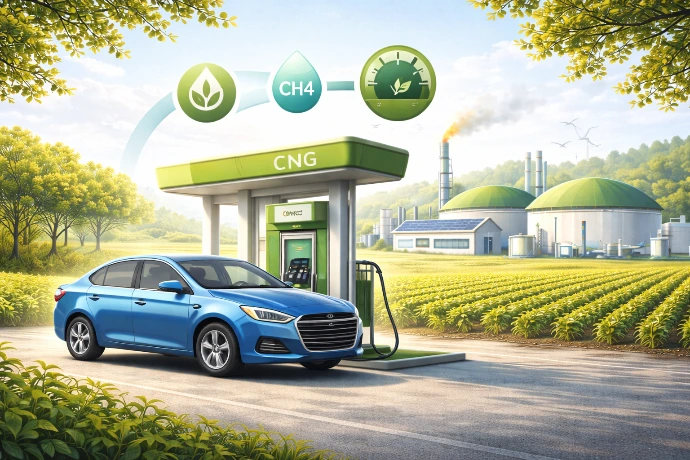
Automotive Fuel – Used in CNG vehicles with no engine modification
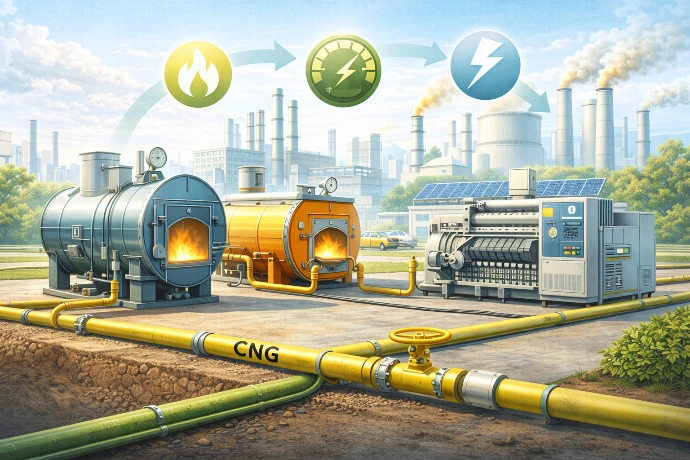
Industrial Energy – Boilers, furnaces, and captive power generation
Bio-CNG and India’s Energy Vision
By utilizing locally available waste and deploying proven global technologies, Bio-CNG strengthens energy independence while addressing environmental and waste challenges simultaneously.
Bio-CNG plays a crucial role in India’s renewable energy roadmap and supports initiatives such as
SATAT (Sustainable Alternative Towards Affordable Transportation)
Swachh Bharat Mission
Net-Zero and Climate Commitments
National Bio-Energy Mission

Why Bio-CNG is the Fuel of the Future
Bio-CNG combines clean energy production, effective waste management, and economic sustainability into a single solution. As demand for low-carbon fuels grows, Bio-CNG stands out as a practical, scalable, and future-ready energy alternative that benefits industries, communities, and the environment alike.